
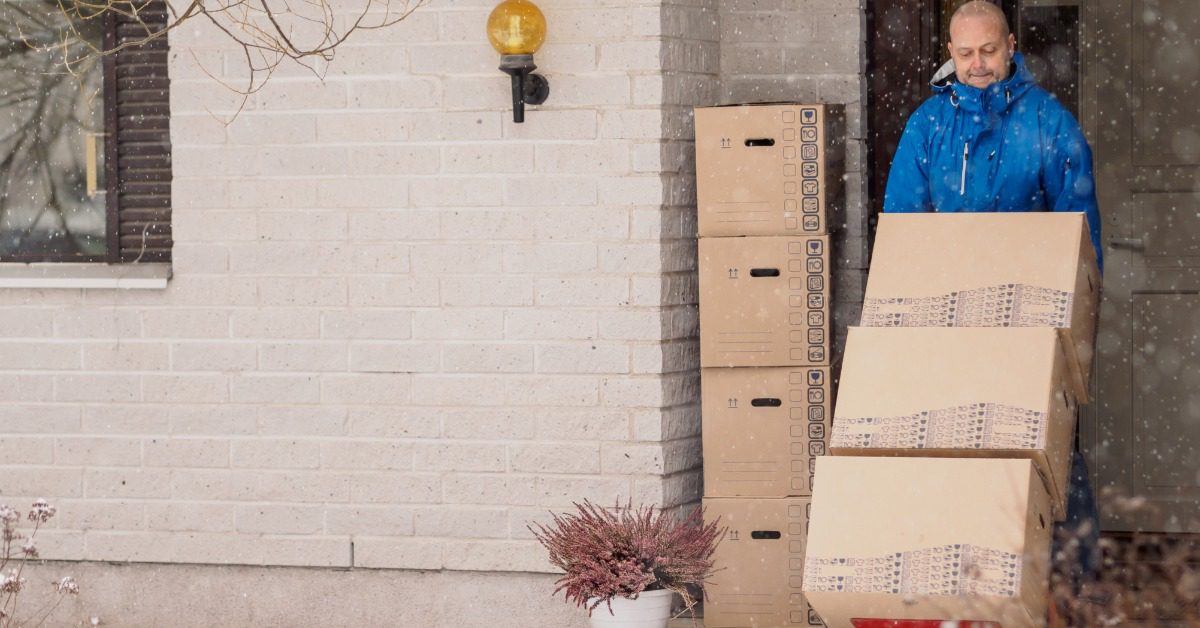
A moving truck pulling up to a snow-covered driveway is hardly the ideal start to moving day. Icy walkways make carrying heavy furniture more dangerous, and freezing temperatures bring additional concerns for your belongings. While you can’t control the weather, you can prepare for the challenges it creates. These essential winter moving tips will help you prepare for snow and ice so you can protect your possessions and avoid unnecessary setbacks.
Monitor the Weather Before Moving Day
Winter storms can develop quickly, so start checking the forecast about a week before your scheduled move. Pay attention to overnight temperatures, especially when melting snow could refreeze and leave dangerous patches of ice.
Stay in contact with your moving company as the date approaches. If heavy snowfall or hazardous road conditions are expected, discuss whether adjusting your schedule makes sense. Leaving some flexibility in your plans is better than feeling pressured to move in unsafe conditions.
Prepare Your Property for Safe Moving
Even a short walk from your front door to the moving truck becomes challenging when the ground is slippery. Before moving day, clear enough space for movers to carry large furniture without navigating snowbanks or icy steps.
A few precautions can make your property safer for everyone involved:
- Shovel snow from walkways and driveways.
- Apply ice melt or sand to slippery surfaces.
- Clear a suitable parking area for the moving truck.
- Place nonslip mats near entrances to catch melting snow.
Keep your shovel and ice melt accessible throughout the move. If snow continues falling, you may need to clear pathways again to maintain safe footing.
Protect Your Belongings from Cold and Moisture
Winter weather can be particularly hard on delicate household items. Wooden furniture may react to sudden temperature changes, while electronics can develop condensation when brought indoors after exposure to freezing temperatures.
Use protective coverings to keep snow and moisture away from furniture during loading. Avoid placing cardboard boxes directly on wet pavement, where they can absorb water and weaken. For electronics, follow the manufacturer’s recommendations for allowing equipment to adjust to room temperature before turning it on.
It’s also worth keeping essential winter clothing with you rather than packing it on the truck. You’ll appreciate having dry gloves and a warm coat readily available if the weather worsens.
Make Winter Safety Part of Your Moving Plan
Moving in snow and ice requires patience, even when you’re eager to settle into your new home. Clear pathways and proper footwear can help prevent slips, while allowing extra time for loading and travel keeps you from rushing. Keeping these winter moving tips in mind can make a difficult moving day more manageable.
When winter weather complicates your relocation, having experienced movers handle the heavy lifting can ease some of the burden. If you’re looking for a moving company in Denver, CO, Capitol North American brings decades of moving experience and a commitment to careful handling. Contact our team to request a quote and discuss how we can help with your upcoming move.

