 Skip to content

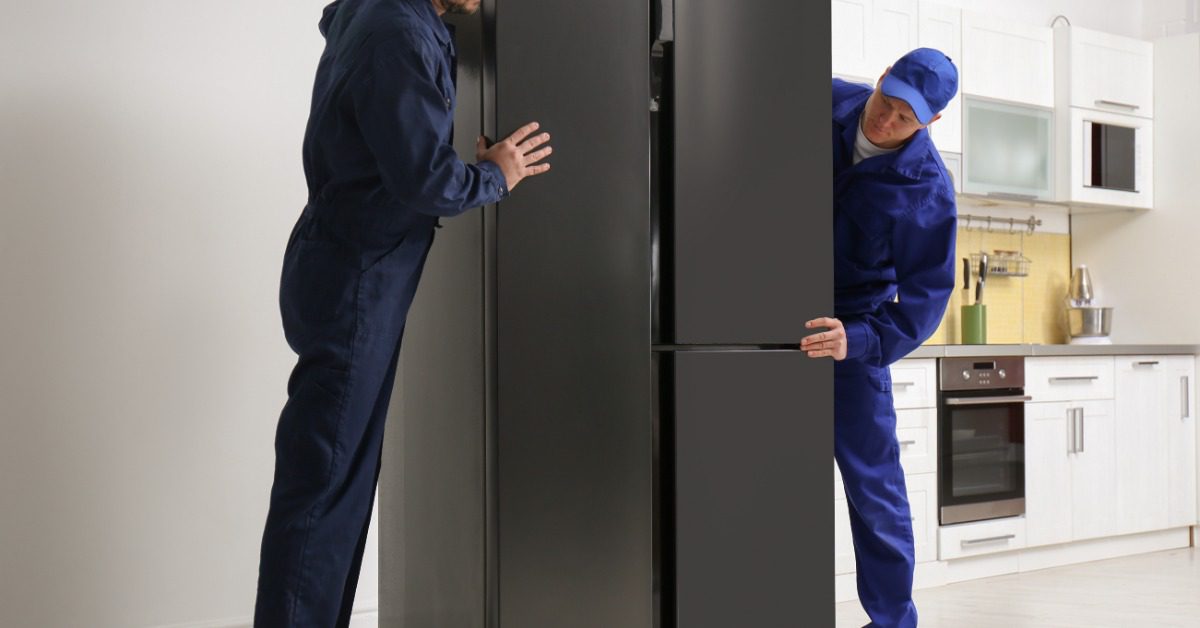
Moving a refrigerator can seem straightforward until you’re faced with a narrow doorway and an appliance that’s difficult to steer. Its weight makes handling tricky, and tilting it too far can affect the components inside. Whether you’re moving across town or to another state, a step-by-step approach to moving a fridge safely helps you prepare for the awkward parts before they become problems.
Measure Your Refrigerator and Plan Your Route
Before unplugging anything, find out whether the refrigerator will fit along your moving route. Measure its height and width, then check its depth with the handles included. Compare those dimensions with your doorways and the narrowest stretches of hallway.
A refrigerator might clear a doorway but leave too little room to turn on the other side. Look closely at corners and any changes in floor level. If the fit is tight, consult the manufacturer’s instructions before attempting to remove a door or handle.
Empty and Defrost Your Refrigerator
With the route settled, it’s time to prepare the refrigerator. Remove the food and drinks, keeping anything you plan to save in a cooler. This is also a good opportunity to discard expired products rather than packing them for the trip.
Unplug the appliance and let it defrost if needed. A refrigerator with frost buildup may take several hours or longer to thaw, depending on the model. Follow the manufacturer’s guidance and leave enough time for the process.
If your refrigerator has an ice maker or water dispenser, shut off the water supply before disconnecting the line. Follow the manufacturer’s directions for draining any remaining water so it doesn’t leak during the move.
Then, once the refrigerator has defrosted, wipe the interior with a mild cleaning solution. Dry the interior and door seals thoroughly. Moisture left behind can cause unpleasant odors while the appliance is unplugged.
Remove and Pack Loose Refrigerator Components
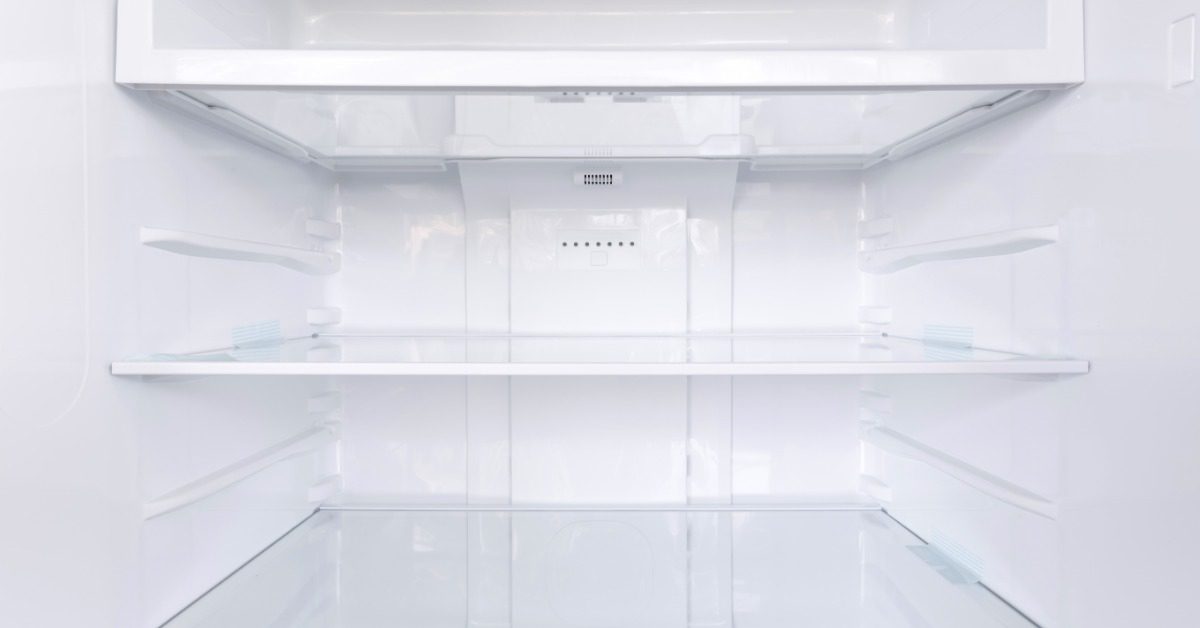
Shelves and drawers can rattle or slide as the refrigerator travels, particularly over uneven pavement. Packing them separately reduces the chance of cracks and makes the empty interior easier to clean. Take a quick photo of their positions first so reassembly is simple.
Give each removable part the protection it needs:
- Glass shelves: Wrap them individually in padding and place them in sturdy boxes.
- Crisper drawers: Cushion the plastic to reduce scratches and cracking.
- Door bins: Remove detachable compartments and pack them with lightweight padding.
- Removable accessories: Wrap loose trays and label the boxes clearly.
Keep heavy items away from packed glass. After the loose pieces are out, secure the refrigerator doors with appliance straps or another method approved by the manufacturer. And don’t put packing tape directly on the finish; adhesive can leave residue or damage the surface.
Protect Your Refrigerator and Home from Damage
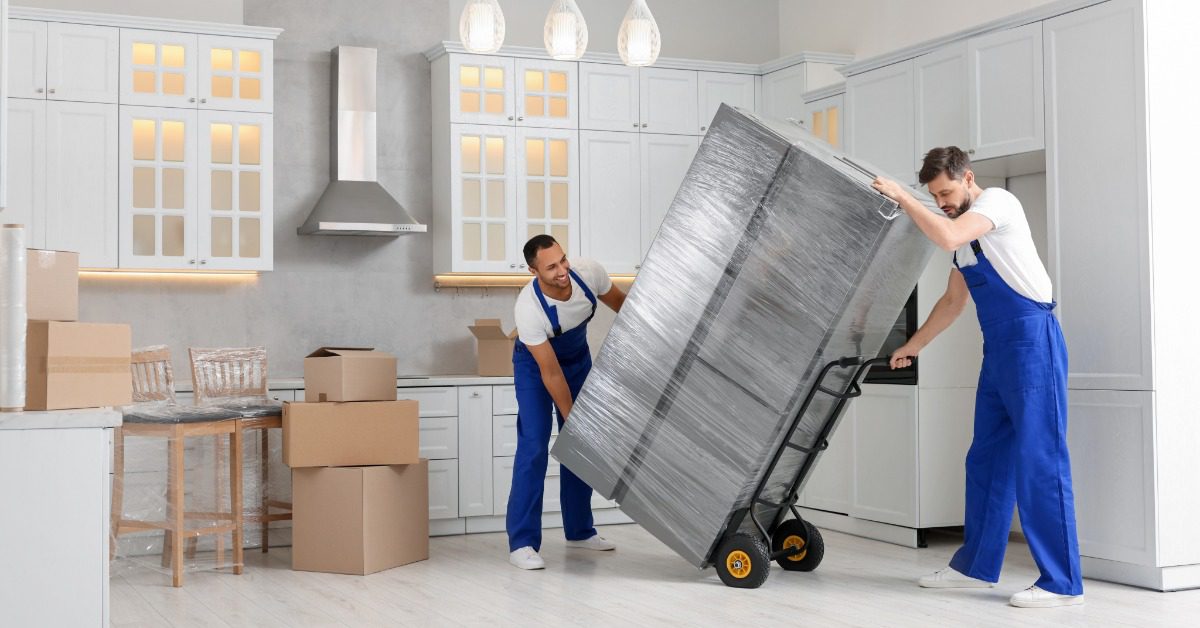
A small collision with a doorframe can leave a dent in the refrigerator or a mark on the wall. Cover the appliance with thick moving blankets or furniture pads, making sure the corners and edges are protected. Use straps to hold the padding in place without pressing too hard against the doors.
Do your best to protect the floors before moving the refrigerator, too. Suitable floor runners can help prevent scratches on hardwood or tile, just make sure the coverings are secure so they won’t slip beneath the dolly.
Finally, walk the route once more. Open the doors fully and move anything still in the way. You don’t want to discover an obstacle while balancing a heavy refrigerator.
Move Your Refrigerator With the Proper Equipment
A refrigerator’s size and weight make carrying it by hand risky. An appliance dolly is a specialized hand truck that supports heavy household equipment and helps you control the load. Arrange for another capable adult to assist, and review the refrigerator manufacturer’s handling instructions before starting.
Follow these steps as you move the appliance:
- Position the dolly as directed by the manufacturer, avoiding exposed tubing and other vulnerable parts.
- Fasten the dolly’s straps around the refrigerator and check that it sits securely.
- Tilt it slowly, only as far as needed to balance it on the dolly.
- Move through doorways at a steady pace, speaking with your helper before each turn.
- Keep the refrigerator as upright as possible to reduce the chance of compressor oil entering the refrigerant lines.
When It Comes to Stairs
Stairs deserve special caution. The refrigerator can be difficult to control on a descent, even with a helper. When stairs are involved, professional movers with suitable equipment are generally the safer choice.
Load and Secure Your Refrigerator for Transport
Once the refrigerator reaches the truck, the next priority is keeping it stable during the drive. An unsecured appliance can shift and damage nearby belongings, even if it was carefully wrapped.
Transport it upright whenever possible. This helps keep compressor oil in its proper place and lowers the risk of trouble when the refrigerator is restarted. If the appliance cannot travel upright, consult its manufacturer’s instructions before laying it on its side.
Use a suitable loading ramp and equipment rated for the refrigerator’s weight. Inside the truck, position the appliance where tie-down straps can prevent it from shifting. Don’t wedge heavy belongings against its doors.
Reinstall and Restart Your Refrigerator Carefully
It’s tempting to plug the refrigerator in as soon as it reaches the new kitchen. But before you do, check the manufacturer’s instructions. If the appliance was tilted during transport, compressor oil may need time to settle, and the recommended wait varies by model.
While you wait, position the refrigerator and make sure it sits level. Many models have adjustable feet for small corrections. A level appliance helps the doors close properly and supports normal operation.
Before restoring power, check the following:
- Inspect the exterior for visible damage.
- Return the shelves and drawers to their original positions.
- Reconnect the water line according to the manufacturer’s instructions.
- Check that the doors close and the seals sit evenly.
- Leave the ventilation clearance recommended for your model.
After the required waiting period, plug the refrigerator in and give it time to cool before adding food. Use an appliance thermometer to check for a refrigerator temperature of 40 degrees Fahrenheit or below and a freezer temperature of 0 degrees Fahrenheit. Waiting until the appliance reaches those temperatures helps protect your groceries and lets you confirm that it’s working as expected.
Make Your Refrigerator Move Less Stressful
Moving a fridge safely takes planning, but the biggest difference often comes from the details you handle before lifting it. Measuring the route and packing loose parts ahead of time can spare you trouble when the refrigerator is already on the dolly. If the route includes stairs or difficult turns, there’s good reason to leave the heavy work to experienced movers.
If you’re comparing moving services in Madison, ask how refrigerator handling fits into the move. Capitol North American is a family-owned, licensed, and insured moving company that has operated since 1962. Contact the team for a quote and to discuss the appliance preparation and moving help your relocation will require.

