

When it comes to putting your furniture in long-term storage, you need more than four walls and a locked door. Taking the right steps from the beginning protects your investment and keeps your pieces looking their best, no matter how long they stay packed away. With the right approach to protecting furniture in long-term storage, you’ll defend against dust, moisture, pests, and any surprises that come with time. Your furniture deserves that extra care so you can enjoy it again whenever you’re ready.
Thoroughly Clean Every Piece Before Storing
Dust and crumbs do more than make furniture look untidy; they attract pests and set the stage for mold. Always give each piece a solid cleaning before it goes into storage. Use the right cleaner and a soft cloth on wood, metal, and plastic to remove grime and leave surfaces fresh.
Vacuum fabric furniture carefully, paying extra attention to seams and hidden spots where crumbs or dust can build up. On leather, use a cleaner and conditioner made for leather so it stays supple and free from cracks. Double-check that every piece is completely dry before you wrap or move it, because leftover moisture is a common culprit for damage during storage.
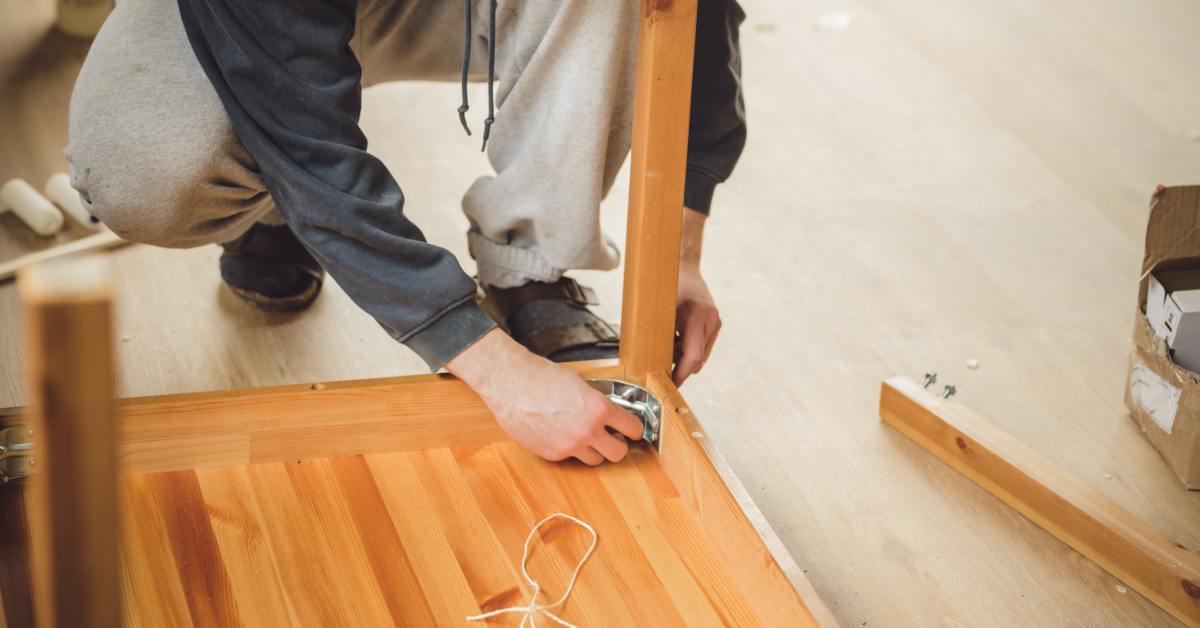
Disassemble Large Furniture To Maximize Space
Whenever you can, break down large items like bed frames, dining tables, and sectionals. Taking furniture apart frees up valuable space in your storage unit and cuts down the chances of things getting bumped or damaged. Separating legs, headboards, and tabletops makes it easier to protect each piece individually, so nothing gets scratched or broken while everything’s tucked away.
Keep track of all your hardware—screws, bolts, and brackets—so nothing goes missing later. Store the hardware in clearly labeled plastic bags and tape them straight to the matching furniture piece. This way, when it’s time to set everything back up, you won’t waste time searching for the parts you need.
Use the Right Protective Coverings
Skip the plastic wrap for long-term storage. While it might seem like it keeps out the dust, plastic actually locks in moisture, which can lead to mildew, warped wood, or musty smells over time. Instead, go with breathable covers that let air move around your furniture but still shield against dust and scratches.
Old cotton sheets, moving blankets, or furniture pads work best. They’ll shield your pieces from dust, scratches, and dings but still let air flow, so moisture doesn’t get trapped underneath.
Protect Glass and Mirrored Surfaces
Glass tabletops, mirrors, and cabinet doors need a little extra care because they’re prone to cracking or shattering if not treated carefully. Start by running a large ‘X’ of masking tape across the glass. This simple step helps cushion against vibrations and keeps shards together if the glass breaks.
Wrap glass items with bubble wrap or a heavy furniture blanket, making sure the padding covers every edge. For extra peace of mind, place each piece between two sturdy sheets of flat cardboard cut to fit. Always stand mirrors and large glass panes upright instead of laying them flat. Storing them vertically helps prevent breakage from weight or pressure applied on top.
Elevate Furniture off the Storage Unit Floor
Never set furniture right on a concrete floor. Over time, concrete can draw up moisture from the ground and pass it to your belongings, causing preventable damage. Even when you use a climate-controlled unit, giving your furniture some space off the ground adds an important layer of protection.
Set your furniture on wood pallets, cinder blocks, or even a layer of thick plastic sheeting to keep it off the ground. Raising each piece gives air a chance to circulate underneath and helps guard against water damage. This simple step can go a long way toward keeping your items safe.
Choose a Climate-Controlled Storage Unit
Changes in temperature and humidity pose real threats to stored furniture. When wood faces extremes—scorching summers or cold winters—it can twist, crack, or warp in ways you might not see right away. High humidity doesn’t just feel uncomfortable; it invites mold and mildew, which can damage upholstery and leave stubborn odors you’ll struggle to remove.
A climate-controlled unit keeps temperatures and humidity steady all year. While you might pay a bit more upfront, it’s worth it to protect valuable, antique, or sentimental furniture. That stable environment gives your pieces the best shot at coming out of storage looking just as good as they did going in.

Organize Your Unit for Airflow and Access
A storage unit that’s set up with some thought will make life easier for you and help keep your furniture protected. Start by leaving a center aisle open so you can get to everything without moving piles of boxes. With clear pathways, you’ll save time and avoid accidentally bumping or scraping your furniture as you reach for items stored in the back.
Put lighter boxes or smaller items on top of sturdy dressers or tables, but avoid stacking anything too heavy on top of other furniture. Always leave a little space between your items and the storage unit walls. Good airflow helps prevent any musty smells or moisture from building up inside your unit.
Avoid Storing Food or Scented Items
Don’t ever put food, perishables, or anything with a strong scent in your storage unit. These items draw rodents and insects, and once pests get in, they cause permanent harm to your furniture. Mice and bugs chew through wood, rip apart upholstery for nests, and leave messes no one wants to find later.
Even items like scented candles or potpourri can invite pests. Their aromas may seep into fabrics, leaving a scent that’s almost impossible to remove from your upholstered furniture. Limit your storage unit to clean, non-perishable household goods to protect your belongings from unwanted damage and odors.
Understand the Value of a Comprehensive Plan
Making sure your furniture is ready for storage pays off. When you take the time to prep and pack things the right way, you set yourself up for an easy move back in without any extra stress or surprises. Reliable materials and a little extra attention now mean you’ll find your pieces in great shape whenever you’re ready to use them again.
At the end of the day, knowing how to protect furniture in long-term storage comes down to smart, careful planning. When you clean well, break things down, choose the right storage space, and use good packing materials, you give your furniture its best shot at lasting for the long haul.
If you’re placing furniture in long-term storage, you’re likely gearing up for a long-distance move. Partnering with an experienced team of long-distance movers makes all the difference. Capitol North American delivers reliable, moving services with secure handling every step of the way. When you want your possessions—and your peace of mind—protected from start to finish, trust Capitol North American to guide your move.

