
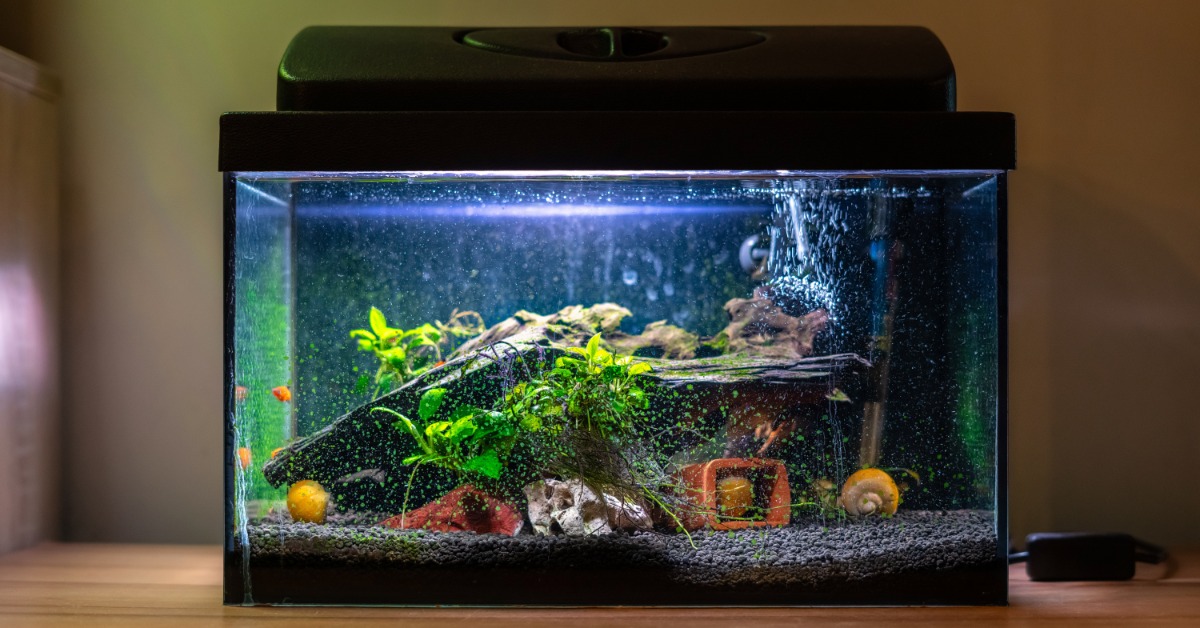
Moving an aquarium takes more planning than moving most household items. You are protecting a fragile glass tank, specialized equipment, and living creatures that rely on stable conditions. Knowing how to move an aquarium while keeping your fish comfy and safe helps reduce stress for your household while giving your fish a smoother transition.
The safest approach starts before moving day. With clean supplies and careful timing, you can protect the aquarium system and help your fish settle comfortably into their new space.
Plan the Aquarium Move Early
Start preparing several days before the move. Fish are sensitive to sudden changes, so rushing the process can make the transition harder on them. Early planning also gives you time to gather supplies and decide which tasks should happen last.
Avoid feeding your fish for about 24 hours before the move, unless your veterinarian or aquarium specialist recommends otherwise. This helps keep the transport water cleaner while your fish are in temporary containers. If your fish have special care needs, ask a qualified aquarium professional for guidance before moving day.
Gather the following aquarium-safe supplies before you begin:
- Clean fish bags or lidded transport containers
- Buckets reserved only for aquarium use
- A fish net and water conditioner
- Towels, packing paper, and moving blankets
- Labels for cords, filters, heaters, and accessories
Keep these supplies separate from household cleaning products. Even a small amount of residue from soap or chemicals can harm fish. Using clean, dedicated materials helps protect water quality during the move.
Prepare the Fish and Tank Carefully
Begin by unplugging aquarium equipment only when you are ready to start. Filters and heaters help maintain a stable environment, so leave them running until the final preparation stage. Label each cord and small part as you remove it, so the setup is easier later.
Place the fish in clean transport containers filled with water from the aquarium. Do not overcrowd the containers, and make sure each one gives your fish enough room to move safely. Keep the containers shaded and steady during transport.
Remove plants, decorations, rocks, and loose accessories next. Wrap fragile décor separately so it does not chip the tank or damage other items. If you have live plants, keep them moist in sealed bags or containers with a small amount of tank water.
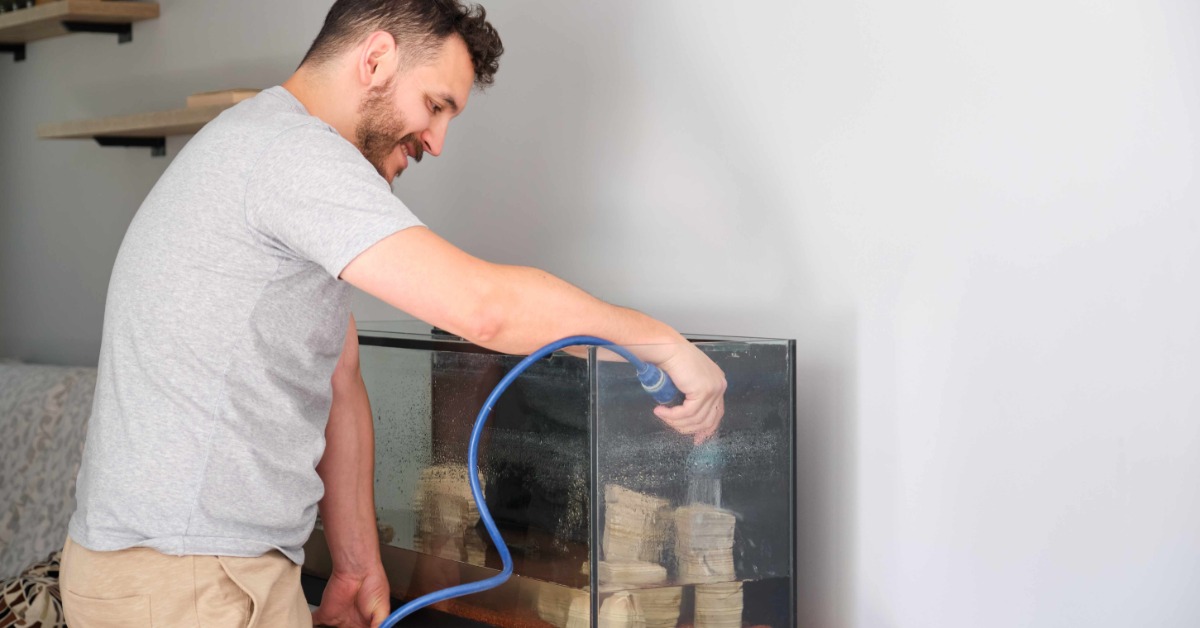
Drain the aquarium almost completely before moving it. Never attempt to move a full or partially full tank, because the weight can crack the glass or weaken the seams. Save some tank water if possible, but use only containers that are clean and safe for aquarium use.
Pack the Aquarium System Securely
Once the tank is empty, clean only what is necessary. Avoid soap, household cleaners, and chemical sprays inside the aquarium. Residue can linger on glass and create problems when the tank is refilled.
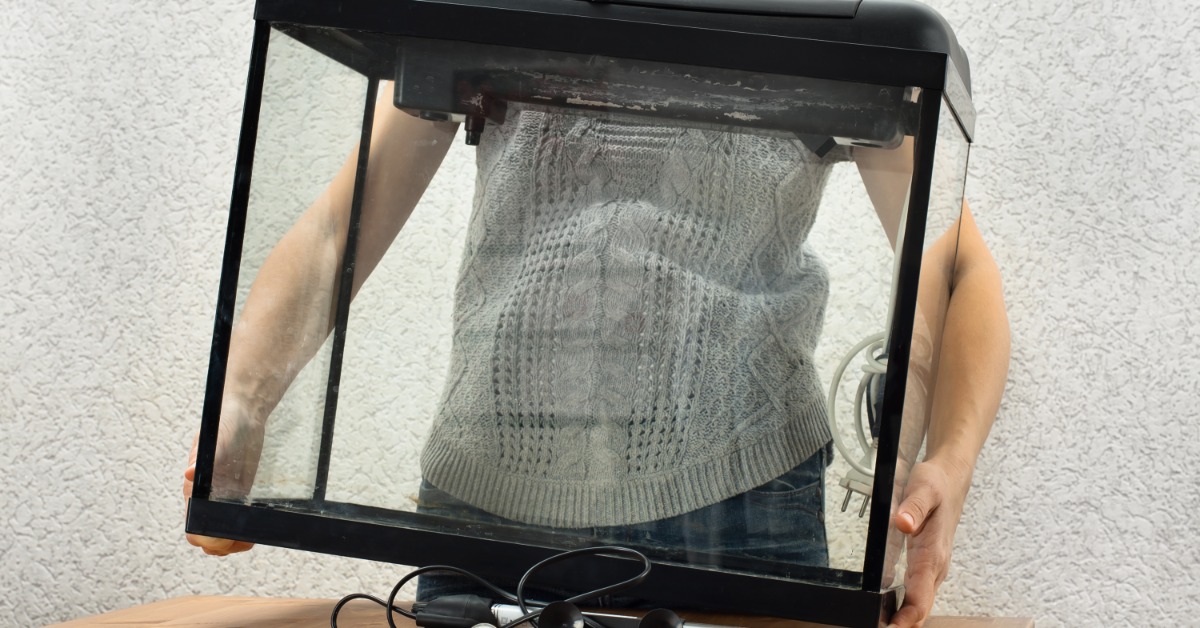
Dry the outside of the tank before wrapping it. Use moving blankets or thick packing paper to cushion each side. Pay close attention to the corners, since they are especially vulnerable during lifting and loading.
The stand also needs careful handling. Aquarium stands are designed to support heavy weight evenly, but they can still be scratched or loosened during a move. Wrap the stand separately and keep the hardware in a clearly labeled bag.
Use a simple packing process to stay organized:
- Remove accessories before lifting the tank.
- Wrap the glass with soft padding.
- Keep the tank upright during handling.
- Pack equipment in labeled containers.
- Keep aquarium supplies away from cleaning products.
A careful packing process does more than protect the tank. It also makes reassembly less stressful once you arrive. When every part is labeled and protected, you can rebuild the aquarium environment with fewer delays.
Move the Aquarium With Steady Handling
Aquariums should be handled slowly and deliberately. Glass tanks can be awkward to carry, especially when they are large or long. Use two people when needed, and avoid twisting the tank as you lift.
Keep the tank upright throughout the move. Lying it flat or placing weight on the glass can strain the seams. During loading, place it where it will not shift or come into contact with heavy furniture.
Temperature also matters during transport. Keep fish away from direct sunlight and cold drafts. If the trip takes longer than expected, monitor the conditions without repeatedly opening the containers.
For interstate relocations, coordination becomes even more important. Experienced long-distance movers can help plan the household portion of the move while you focus on the aquarium’s more delicate needs. Clear communication helps the moving team understand which items require careful handling.
Settle the Aquarium Into Its New Space
When you arrive, choose the aquarium location before refilling the tank. The spot should be level, sturdy, and away from direct sunlight. Avoid placing it near vents or busy walkways where temperature changes and bumps are more likely.
Set the stand first, then place the empty tank carefully on top. Check that everything is level before adding water. Uneven support can put pressure on the glass over time.
Refill the aquarium with saved tank water when possible, then add treated fresh water as needed. Reinstall the filter, heater, pump, and other equipment before returning fish to the tank. Give the water time to reach a safe temperature.
When reintroducing your fish, move slowly. Float transport bags or containers if that approach fits your aquarium setup. Let your fish adjust gradually, then watch for signs of stress once they are back in the tank.
Keep the Fish Comfortable After the Move
Understanding how to move an aquarium while keeping your fish safe does not end once the tank is in place. The first few days after the move matter. Fish may need time to adjust to changes in water, lighting, and routine.
Keep feeding light at first. Avoid rearranging the tank repeatedly, since too much change can add stress. Test the water as needed, especially if you had to replace a large amount of it.
Watch your fish closely after setup. Unusual hiding, gasping, or erratic swimming may signal that something needs attention. If you notice concerning behavior, contact an aquarium specialist or veterinarian familiar with fish care.
Give the tank time to stabilize before making major changes. A steady environment helps your fish return to normal patterns. Patience during this stage can make the move easier on the entire aquarium system.
Protect Your Aquarium With the Right Moving Support
An aquarium move calls for patience, preparation, and careful handling from start to finish. When you plan ahead and keep your fish in stable conditions, you give the entire system a safer transition into your new home.
Capitol North American has served customers since 1962 with reliable long-distance moving services and storage support built around careful handling. If you are planning a household move and want experienced help with the heavy lifting, contact Capitol North American to request a quote and schedule moving services tailored to your needs.

