
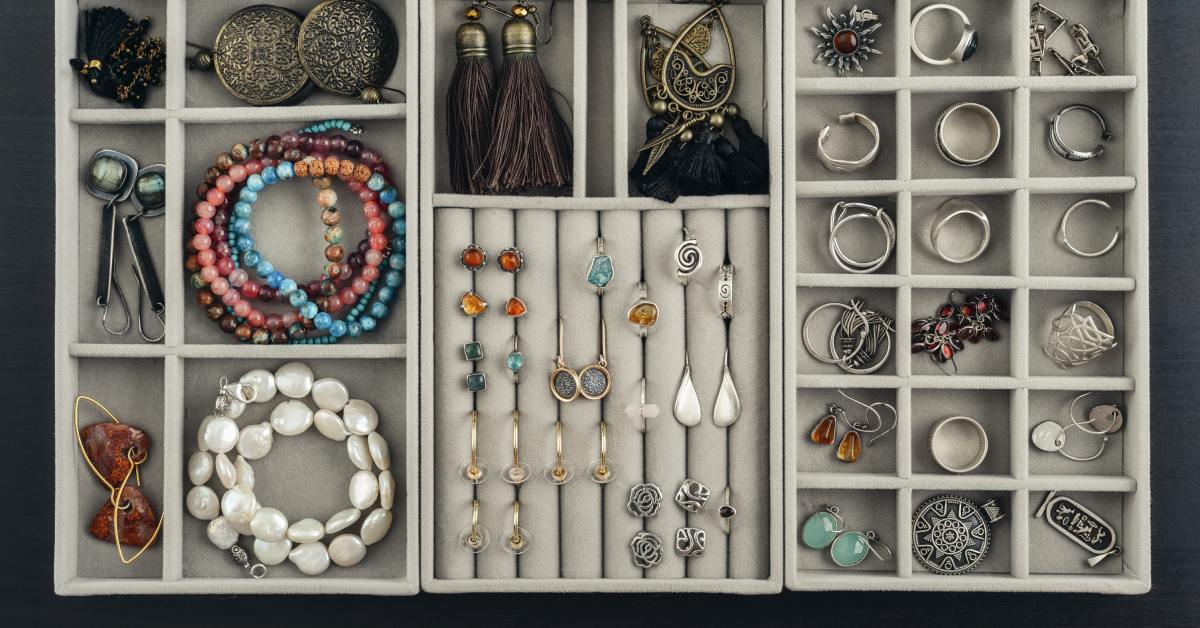
Jewelry often carries both financial and sentimental value, which makes proper storage essential when you are not wearing it regularly. Whether you are preparing for a move, downsizing, or safeguarding heirloom pieces, knowing how to store jewelry for long-term protection helps preserve its beauty and structural integrity.
Long-term storage involves more than placing jewelry in a drawer or small box. Proper cleaning, thoughtful organization, and a stable storage environment all help prevent tarnish, scratches, and moisture damage. With the right approach, your jewelry will remain protected and ready to wear whenever you need it again.
Clean Jewelry Carefully Before Storage
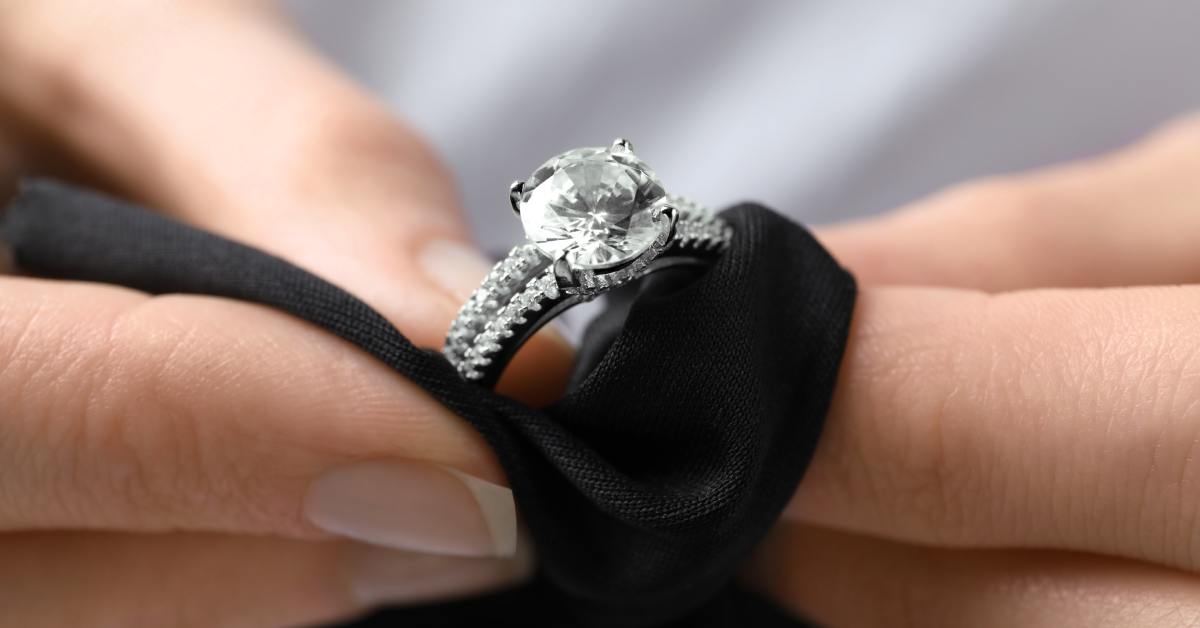
Before placing jewelry into long-term storage, start with a careful cleaning. Everyday wear leaves behind oils, dust, lotions, and other residue that can gradually affect metals and gemstones if left in place. Even a thin layer of buildup can dull the shine of valuable pieces over time.
Different materials require different cleaning methods. Gold and platinum usually respond well to gentle soap and warm water, while silver benefits from a polishing cloth designed to remove tarnish. Porous gemstones such as pearls or opals should never be soaked and instead require a soft, slightly damp cloth.
Pay attention to small areas where residue collects. Prongs, clasps, and chain links often trap dirt that may go unnoticed during routine cleaning. Wiping these areas carefully helps prevent long-term corrosion.
Allow every piece to dry completely before packing it away. Trapped moisture can contribute to tarnish, corrosion, or discoloration during long-term storage.
Store Jewelry Pieces Separately
Jewelry pieces can easily damage one another when stored together. Chains may tangle, gemstones can scratch softer metals, and delicate clasps may bend if items shift or rub against each other over time.
Many gemstones are harder than precious metals. Diamonds, for example, can scratch gold, silver, and even other gemstones if they come into contact during storage. Keeping pieces separated prevents this type of accidental damage.
Separating jewelry also helps maintain the shape and structure of delicate chains. Necklaces and bracelets that remain loosely piled together often develop knots that become difficult to remove later.
Consider using storage methods such as:
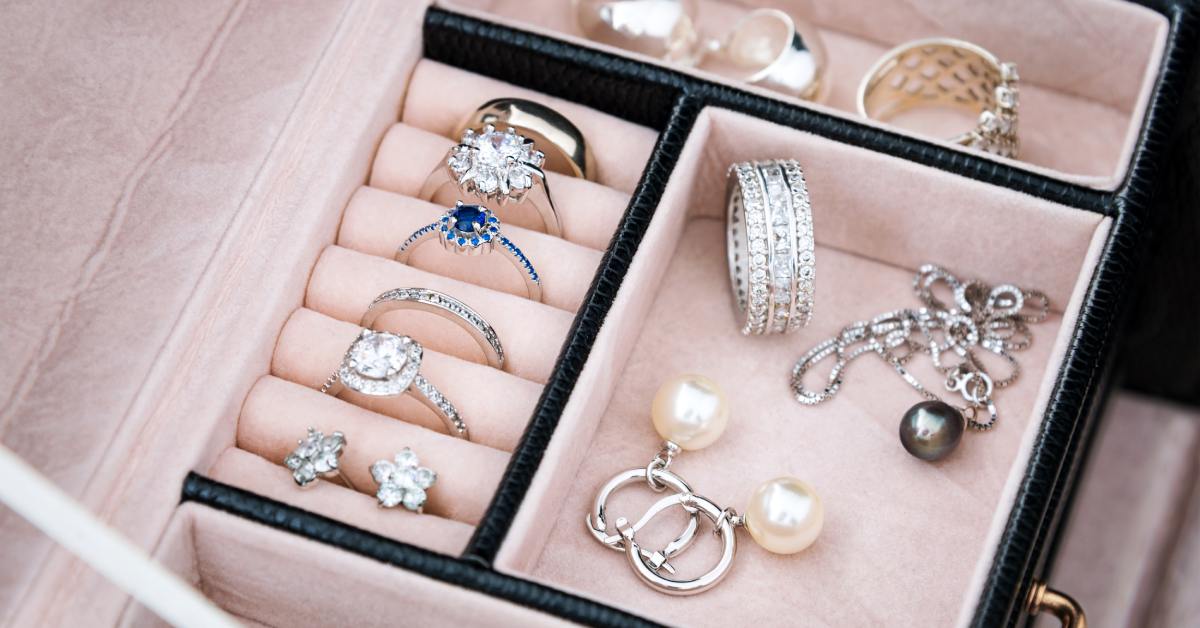
- Soft-lined jewelry boxes with individual compartments
- Fabric pouches for delicate necklaces and bracelets
- Small padded cases for watches
- Anti-tarnish strips placed inside containers
For longer necklaces, laying them flat or hanging them individually can prevent tangling. Taking the time to separate items protects fragile components like chains, prongs, and gemstone settings.
Wrap Jewelry With Protective Materials
The materials used to wrap jewelry influence how well pieces hold up during storage. Some packaging traps humidity or chemicals that accelerate tarnish and discoloration.
Soft, breathable materials offer the best protection. Cotton cloth, acid-free tissue paper, and anti-tarnish fabric allow airflow while still shielding jewelry from scratches.
Proper wrapping is especially important for heirloom jewelry or high-value items that may remain in storage for extended periods. When wrapping delicate items, ensure gemstones and metal surfaces are cushioned from direct contact with hard surfaces.
For pieces with intricate details or multiple gemstones, consider wrapping each component individually before placing them together in a larger container. This extra step prevents contact damage and keeps delicate elements secure during long-term storage. Small padded boxes or layered fabric coverings can help prevent pressure or friction from damaging settings.
Avoid storing jewelry in sealed plastic whenever possible. Plastic can trap moisture and create conditions that encourage corrosion or tarnish. Breathable materials help maintain a more stable environment around each piece.
Choose a Stable Storage Environment
Environmental conditions play a major role in how jewelry holds up over time. Fluctuating temperatures, excess humidity, and dust exposure can gradually affect metals, gemstones, and delicate settings.
Humidity is one of the most common causes of jewelry deterioration. Moisture in the air can accelerate oxidation in silver and contribute to discoloration in certain metals. Over time, humid environments may also weaken adhesives used in some jewelry designs.
Temperature swings create additional stress on materials. Extreme heat or cold can cause metals to expand and contract slightly, which may loosen gemstone settings over time.
A stable environment helps reduce oxidation and protects sensitive materials from long-term damage. Areas such as basements, garages, or attics often experience wide temperature swings, which is why warehouse storage services have become a popular choice for protecting jewelry long-term. These facilities maintain consistent temperature and humidity levels that home storage often can’t match.
Organize and Document Your Jewelry Collection
When jewelry remains in storage for months or even years, organization becomes especially important. Maintaining a clear record of your collection helps ensure nothing becomes misplaced and makes finding your jewelry much easier later.
Start by creating a simple inventory of your jewelry pieces. A written list or digital record that includes photos, descriptions, and estimated values can help you keep track of valuable items.
Photographs are particularly helpful because they capture the condition of each piece before storage. This documentation may also support insurance records or identification if pieces are misplaced.
Store this inventory separately from the jewelry itself. Label containers clearly so you can identify what is inside without opening every box.
Consider including purchase dates, appraisal information, and any maintenance records in your documentation. If certain pieces require periodic inspections or care, note those details as well so you can maintain them properly even during extended storage.
This level of organization also reduces unnecessary handling, which further protects delicate jewelry components from wear or accidental damage.
Consider Professional Storage for Valuable Jewelry
Some jewelry collections contain items with significant monetary or sentimental value. In these situations, professional storage solutions can provide an added level of protection.
Professional facilities are designed to maintain stable environmental conditions and provide organized storage spaces that protect valuable belongings. These services can be especially helpful during home renovations, relocations, downsizing, or extended travel.
Professional movers and storage specialists can also coordinate secure packing and transportation when jewelry is part of a larger household move. This reduces the risk of damage while your belongings transition between locations.
Keep Your Jewelry Protected for Years To Come
Taking the right steps to store jewelry for long-term protection helps ensure your most meaningful pieces remain beautiful and wearable for years to come. Cleaning each item, storing pieces separately, choosing protective materials, and maintaining a stable environment all support long-term preservation.
If you need a secure place to store valuable belongings during a move or life transition, professional storage services can help. Capitol North American has supported families and businesses with moving and storage solutions since 1962. Contact our team today to request a quote and explore storage options designed to protect what matters most.

