
Moving a vending machine involves far more than muscle and a dolly. These machines are heavy, top-weighted, and packed with electrical, refrigeration, and payment components that can be damaged if handled incorrectly. Relocating a vending machine during an office or facility move requires planning that protects your equipment and limits downtime.
Our step-by-step guide to moving your vending machine outlines what to consider before, during, and after transport. With a clear process and realistic expectations, you can reduce risks, protect your investment, and keep your relocation moving forward smoothly.
Understand the Scope of the Move
Before any physical work begins, define the scope of the relocation. Consider whether you are moving a single machine or coordinating multiple units as part of a larger office or facility move. The number of machines involved affects scheduling, labor needs, and transportation planning.
Take time to review the type of vending machine being moved. Refrigerated units, glass-front machines, and systems with cashless payment technology all require added care. Knowing these details early helps avoid rushed decisions that increase the chance of damage.
Timing also matters. Align the move with your broader relocation schedule to avoid service interruptions or last-minute challenges.
Evaluate Access Points and Physical Constraints
Access planning is critical when moving a vending machine. Measure doorways, hallways, elevators, ramps, and loading docks at both the current and new locations. Confirm that clearances allow the machine to move through safely without excessive tilting.
Identify potential obstacles such as stairs, tight corners, uneven flooring, or limited exterior access. These conditions often call for specialized equipment or additional personnel. Overlooking them can lead to tipping, surface damage, or safety concerns.
Exterior access deserves equal attention. Parking limitations, curb heights, and the distance from the truck to the entry point all influence how the move should be handled.
Prepare the Machine
This step-by-step guide to moving your vending machine emphasizes preparation as key to protecting internal systems during movement. Start by powering down the unit and disconnecting it from the electrical source. Refrigerated machines should be fully defrosted and allowed to dry to prevent moisture-related damage.
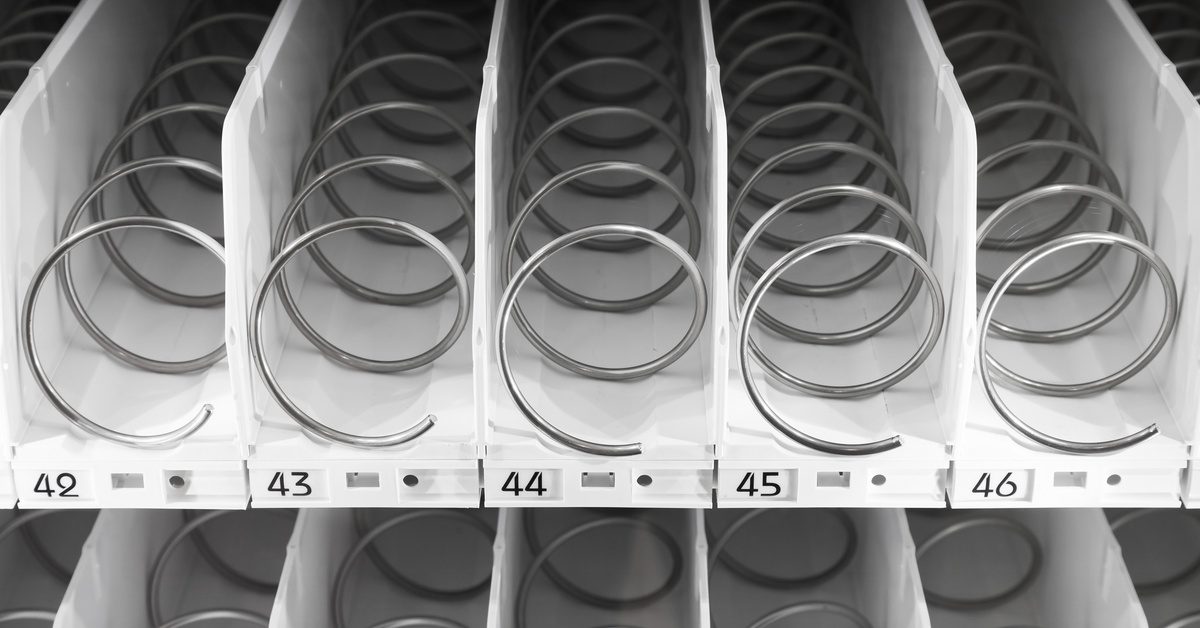
Remove all products, cash boxes, and loose internal items. Even small objects can shift during transport and damage shelves or dispensing mechanisms. Follow manufacturer recommendations for securing or removing adjustable shelving.
Once the machine is empty, clean both the interior and exterior surfaces. A clean unit is easier to wrap securely and less likely to suffer surface scratches during handling.
Stabilize Doors, Glass, and Internal Components
With the machine cleared out, focus on stabilizing vulnerable areas. Lock the door if the machine allows or secure it with non-marking straps. Avoid adhesives that could damage finishes or leave residue behind.
Protect glass fronts, display panels, and payment systems with padded materials. Moving blankets and corner guards help absorb impact while keeping pressure evenly distributed across the frame.
If removable parts such as legs or external accessories can be detached safely, pack them separately and label them clearly. Organized packing simplifies reinstallation and reduces the risk of missing components.
Plan Equipment and Handling Methods
Vending machines require equipment designed for heavy, upright loads. Appliance dollies with integrated straps and stair-climbing features provide more stability than standard hand trucks. Always confirm that equipment weight ratings are appropriate.
Map out the exact route the machine will take, clearing obstacles and securing doors ahead of time. Assign clear roles to everyone involved so everything stays controlled and coordinated.
In complex buildings or larger relocations, experienced commercial moving services add an extra layer of protection. Trained crews and proper equipment help reduce safety risks and protect high-value equipment throughout the move.
Manage Lifting and Movement Carefully
Keep the vending machine upright during the move unless the manufacturer specifically allows tilting. Tilting the machine at excessive angles can compromise refrigeration systems and internal wiring.
Move slowly and communicate clearly, especially when navigating corners, thresholds, or elevation changes. If adjustments are needed, pause and stabilize the load before continuing.
Designate one person to guide the process and watch clearances. Clear direction and steady pacing help prevent sudden shifts that could lead to tipping or injury.
Secure the Machine for Transportation
Inside the truck, position the vending machine against a solid wall. Use load bars or straps to prevent movement during transit and place padding between the machine and nearby items.
Avoid stacking cargo against the machine or allowing unsecured items to shift into it. Even minor impacts during transport can damage internal components.
If the relocation involves multiple stops, plan placement so the machine does not need to be repositioned repeatedly. Fewer adjustments mean fewer risks.
Monitor Conditions During Transit
Driving conditions play a role in protecting equipment. Drivers should account for the machine’s weight when braking, turning, or accelerating. Smooth, controlled driving helps reduce internal stress.
For longer moves, periodic checks ensure straps remain tight and padding stays in place. Addressing issues early prevents small problems from becoming larger ones.
When the vending machine is part of a full office relocation, coordinate unloading so it can be placed promptly without unnecessary handling.
Position the Machine at the New Location
At the destination, inspect the placement area before unloading. The floor should be level and capable of supporting the machine’s weight, and power access should be ready.
Remove protective materials carefully and inspect the machine for visible issues. Reattach any removed components and confirm that doors and panels operate smoothly.
Refrigerated machines should remain upright and powered off for several hours before restarting. This settling period supports proper operation and longevity.
Test and Restock
After reconnecting the power, test basic functions before restocking. Check lighting, displays, and payment systems to confirm everything operates as expected.
Restock products evenly to maintain balance and reliable dispensing. Avoid overloading shelves, which can affect performance over time.
Monitor the machine during its initial operating period. Early observations allow you to address minor issues before everyone else starts using it again.

Why Professional Support Reduces Risks
While smaller vending machine moves can be handled in-house, certain situations call for professional expertise. Multiple machines, tight access points, refrigerated units, or compressed timelines all increase complexity and risk. When your move is part of a larger office relocation, coordinating vending equipment alongside furniture, IT systems, and other assets often requires specialized support.
Capitol North American has handled commercial relocations since 1962, including the specialized equipment that keeps offices running. Our licensed, insured team coordinates vending machine moves as part of comprehensive facility transitions, managing logistics so your staff can focus on core operations.
If your vending machine move is part of a larger office or facility transition, Capitol North American is ready to help. Contact us today to request a quote or schedule professional moving support tailored to your operational needs.

