

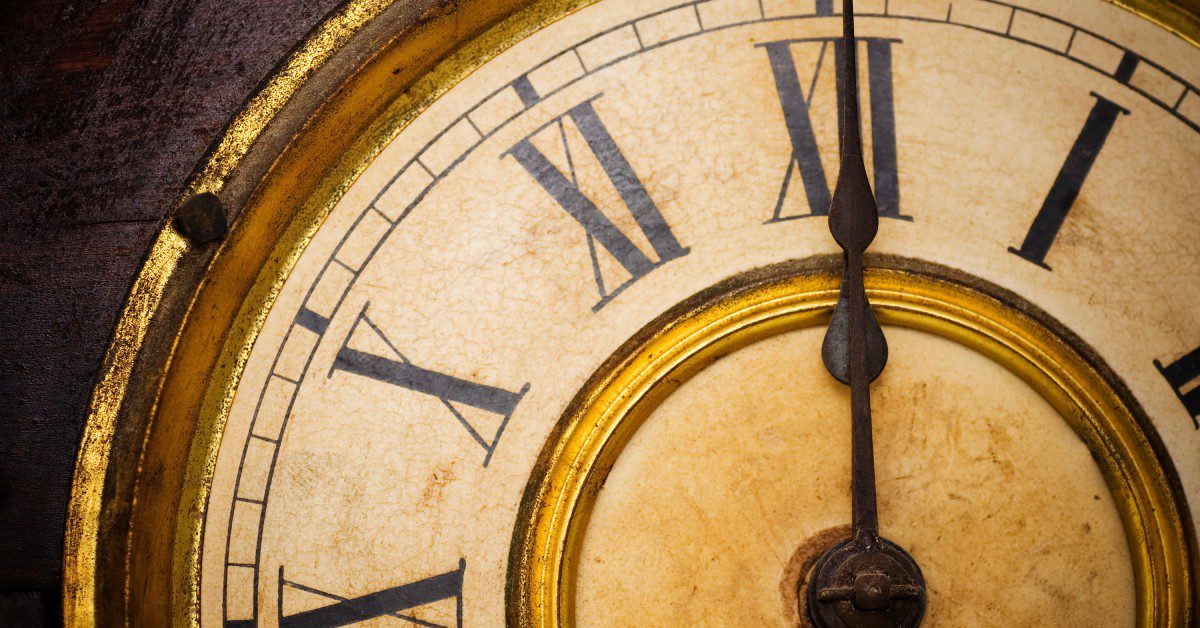

A grandfather clock stands as more than just a timepiece. For many families, it’s a legacy—passed down, admired, and always worth protecting. The beauty of its woodwork, the precision of its mechanisms, and its sheer weight all make moving this classic piece a real challenge. With the right approach and proven techniques, you preserve both its function and its meaning.
We’ll walk you through our step-by-step guide to safely moving a grandfather clock so that you can relocate your treasure securely and confidently. Each phase, from taking it apart to wrapping and boxing, to reassembly, is important. Following our expert advice will help ensure that your clock looks and works just as it did before the move.
Gather Your Supplies
Start by collecting every material that you’ll need during the process. This saves time, reduces stress, and helps avoid accidents. Getting your supplies lined up makes everything else go more smoothly.
Focus on gathering sturdy packing materials, such as bubble wrap, thick moving blankets, packing tape, and strong boxes in different sizes. Don’t forget gloves, which protect both your hands and the clock’s finish, and keep any tools, keys, or cranks that belong with the clock close by.
Prepare the Clock for Disassembly
Begin by stopping the movement. Gently bring the pendulum to a stop so it won’t jostle the fragile inner workings when you take the clock apart.
Most grandfather clocks have three weights. Each weight is important, as it controls timekeeping or chimes. Carefully remove them, using gloves to prevent tarnish or fingerprints, and cushion each weight in bubble wrap or a clean cloth before storing them in a clearly labeled box.

Remove and Secure the Pendulum
The pendulum is delicate, so take your time as you work. Open the case door and find where the pendulum attaches. Supporting the pendulum with one hand, unhook it gently from its mount without twisting or jerking.
Once removed, wrap it with bubble wrap or a padded blanket, ensuring it is protected on all sides. Place the pendulum flat in a box that fits snugly to prevent any shifting during transport.
Secure the Chime Rods
The chimes make your clock unique and are among its most easily damaged parts, so they need extra protection.
Fill the spaces around the chime rods with soft foam or clean packing material. The cushioning keeps the rods from bumping into one another or vibrating during the move. Don’t compress the rods. Keep them gently separated to maintain their shape and sound.
Protect Glass Panels and the Clock Hood
Grandfather clocks often feature decorative glass panels that demand extra care. To prevent cracks, adhere painter’s tape across the glass in a star or “X” pattern. This step minimizes vibrations while transporting it.
Once the glass is protected, secure any doors or access panels with tape so nothing swings open during handling. If your clock has a removable hood, gently lift it free and wrap it in padded blankets, securing the bundle with tape. Be careful to ensure the tape never touches the wood or glass.
Prepare the Main Casing for Transport
With the intricate parts removed, shift your focus to the clock’s body. Its weight and size make it awkward to maneuver, while the fine finish calls for real attention.
Wrap the main body in multiple layers of thick moving blankets, padding every corner, edge, and flat surface. Secure this protective layer with packing tape or bands, but place tape only on the padding to keep the finish flawless.
Box All Small Components
Organize all the detached parts, making sure nothing gets misplaced. The right box and a clear label prevent mix-ups and scratches.
- Weights: Place each individually wrapped weight into a strong, padded box. Mark it “Grandfather Clock Weights—Heavy” for careful handling.
- Pendulum: Pack the wrapped pendulum in a flat box and label it “FRAGILE—Grandfather Clock Pendulum.”
- Finials and Keys: Smaller pieces such as keys or decorative caps should go in a small, sealed container or zipped bag, and you can tape this inside a larger box for added security.
Plan Your Moving Path
With everything packed and protected, it’s time to plan your route. Measure every doorway, hallway, and stairwell in advance to avoid surprises. Make sure the path is clear of obstacles.
Lifting a grandfather clock safely calls for teamwork. Find another person to help you. Both movers need a steady grip and good communication. Talk through moves before you act, and work together to round corners or manage tricky staircases.
Handle Transportation With Care
Securing the clock during the drive is just as important as packing. Always keep the clock upright; do not tip or lay it down, which could compromise the mechanism even if it’s secured.
Place the main case against the wall of the truck, away from loose or heavy cargo that could shift. Use moving straps to hold it firmly in place. If your move crosses state lines, or you want expert precision. Working with reputable long-distance moving services can take the worry out of the process. These professionals have the right gear and the know-how to protect even the rarest timepieces from start to finish.
Reassemble at Your New Home
Once you arrive, take a moment and ensure the clock’s new spot is level and safe. Unwrap the body, set it in place, and use a small level for fine adjustments. This can make the difference between smooth timekeeping and daily frustration.
Bring back in the chime rods, pendulum, and weights, following the same steps—but in reverse order—as during disassembly. Push the pendulum once to start the clock back up, and you’re ready to go.

When Professional Help Makes the Difference
A grandfather clock isn’t just another piece of furniture. It holds family stories and exquisite craftsmanship. Moving it well takes a steady hand and the right care. By completing this step-by-step guide to safely moving a grandfather clock, you not only preserve its rich history but can also enjoy its familiar chime in your new surroundings.
Even with the right approach, complex moves can still feel overwhelming. Capitol North American has protected prized heirlooms and intricate valuables for over half a century. When you trust us, you choose more than muscle and trucks; you choose peace of mind, expertise, and the commitment to keeping what matters most safe. Reach out to our expert team today and partner with a reliable professional mover for your next transition.