



Moving a hot tub takes more planning than moving most outdoor items. The shell and plumbing need careful attention before anyone lifts or loads it. So do the electrical components and the weight of the spa itself. If you want to know how to safely move your hot tub to a new home, start by treating it as a specialty item instead of a simple backyard feature. A clear plan helps protect the spa, your property, and the people handling the move.
Plan the Route Before Moving Day
Start by reviewing the hot tub’s size, weight, and location. Many spas are extremely heavy even when empty, and their shape can make them difficult to maneuver. Check the owner’s manual or manufacturer information so you understand the handling requirements before planning the move.
Next, look closely at where the hot tub sits now. A spa on a raised deck or sloped backyard will need more preparation than one on a flat, open surface. You should also confirm that the new location has a strong, level base that can support the spa once it is filled again.
Measure the full route from the current location to the moving truck. Check gates and walkways first. Then look for tight corners, low branches, and overhead clearances that could slow the process. Repeat the same review at the destination so you know the spa can reach its new location safely.
It also helps to decide early whether professional support is necessary. A hot tub is heavy, awkward, and easy to damage if it shifts at the wrong moment. If the move is part of a larger household relocation, experienced long-distance movers can help coordinate the schedule and reduce handling risks.
Prepare the Hot Tub for Handling
Before any physical moving begins, disconnect the hot tub properly. Turn off the power at the breaker before touching electrical components. If you are unsure how the spa is wired, hire a qualified electrician to disconnect it safely.
After the power is off, drain the spa according to the manufacturer’s instructions. Use the drain valve if available, and direct water away from the home. Some water may remain in the lines, so allow enough time for draining before the crew arrives.
Clean and dry the hot tub before wrapping it. Dirt and leaves can scratch surfaces while the spa is covered. Standing moisture can also lead to unwanted odors during the move. Wipe the shell and cabinet with appropriate cleaners, then let everything dry as much as possible.
Remove loose parts before the hot tub is moved. Pack them separately in labeled boxes so they do not shift, crack, or disappear during transport.
Common items to remove include:
- Filters and filter covers
- Headrests and removable pillows
- Drink trays and loose accessories
- Steps, cover lifters, and detached panels
- Power cords or loose components
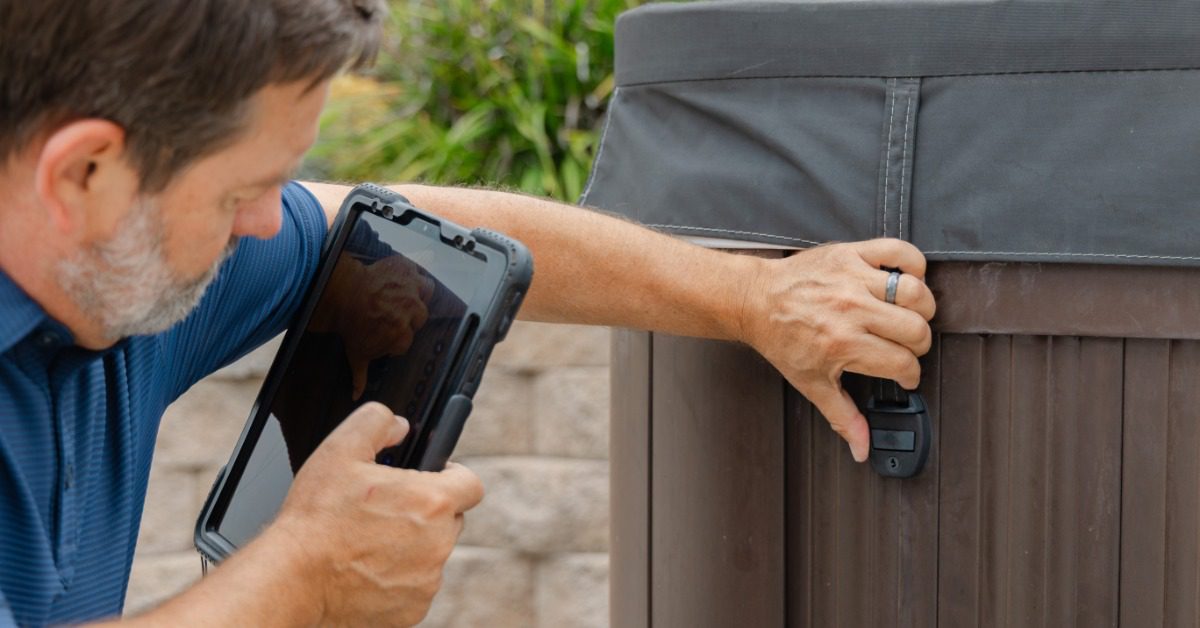
Document the hot tub’s condition once it is clean and empty. Take clear photos of each side, along with any existing scratches or cracks. This gives you a simple record of the spa’s condition before it leaves your property.
Protect the Spa During Loading
Moving a hot tub safely requires the right equipment. Depending on the size and route, crews may use moving straps, furniture dollies, spa sleds, or plywood sheets. The goal is to control the weight evenly and protect the shell from unnecessary stress.
The hot tub should stay stable while being moved. A team needs to communicate clearly before every movement. One person should guide the route while the others manage the lift.
Protective padding matters during this stage. Moving blankets and corner protection can help shield the exterior from scratches. Avoid placing tape directly on finished surfaces, control panels, or cabinet materials.
If the hot tub must pass over soft ground or uneven surfaces, add extra support under the path. Plywood can create a smoother surface for dollies and reduce the chance of sinking into soil. This preparation can also help protect patios and landscaping.
Once the spa reaches the truck, it should be loaded with steady support. The hot tub must be secured so it cannot slide or tip during transit. Straps should hold it firmly without crushing the cabinet or pressing on sensitive components.
Prepare the New Site for Placement
The destination should be ready before the hot tub arrives. A spa needs a stable, level foundation, such as a properly prepared concrete pad or another surface designed to hold its filled weight. If the base is uneven or too weak, the shell can experience stress over time.
Check access at the new home before delivery day. Clear patio furniture and planters from the path. Move hoses, outdoor equipment, and other items that could get in the crew’s way. If gates need to be removed temporarily, handle that before the moving crew arrives.
You should also think through utility access. The hot tub will need proper electrical service before it can run again. A licensed electrician should reconnect the spa if the installation requires electrical work.
Do not refill the hot tub until it is positioned, level, and inspected. Look for visible damage, loose parts, or panels that may need adjustment. Once the spa is in place, reinstall removed components carefully and follow the manufacturer’s startup instructions.
Hire Professional Support When Needed
Understanding how to safely move a hot tub to a new home is useful even when you plan to hire help. It allows you to ask informed questions and prepare your property in advance. Still, the job can quickly become too complex for a do-it-yourself approach.
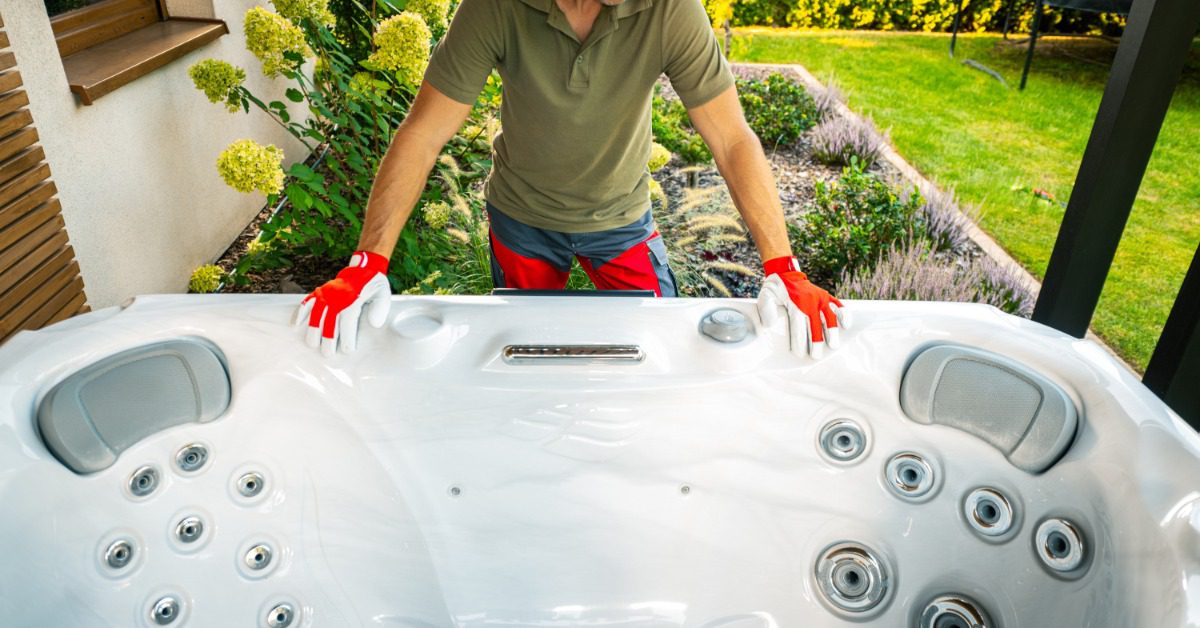
Professional movers bring planning, equipment, and experience to a job that requires more than strength. They can ensure there’s a safe route to move the spa and that it’s protected throughout the move. For high-value household moves, that level of organization can reduce stress and protect your investment.
Move Your Hot Tub With More Confidence
Your hot tub deserves the same careful attention as the rest of your home’s valuable belongings. With the right preparation, a clear path, protective materials, and qualified support, you can reduce damage risk and make the move more manageable.
Capitol North American has served customers since 1962 as a family-owned, licensed and insured moving provider. Contact us to request a quote and plan a move that keeps safety, expert handling, and clear communication at the center of your relocation.