

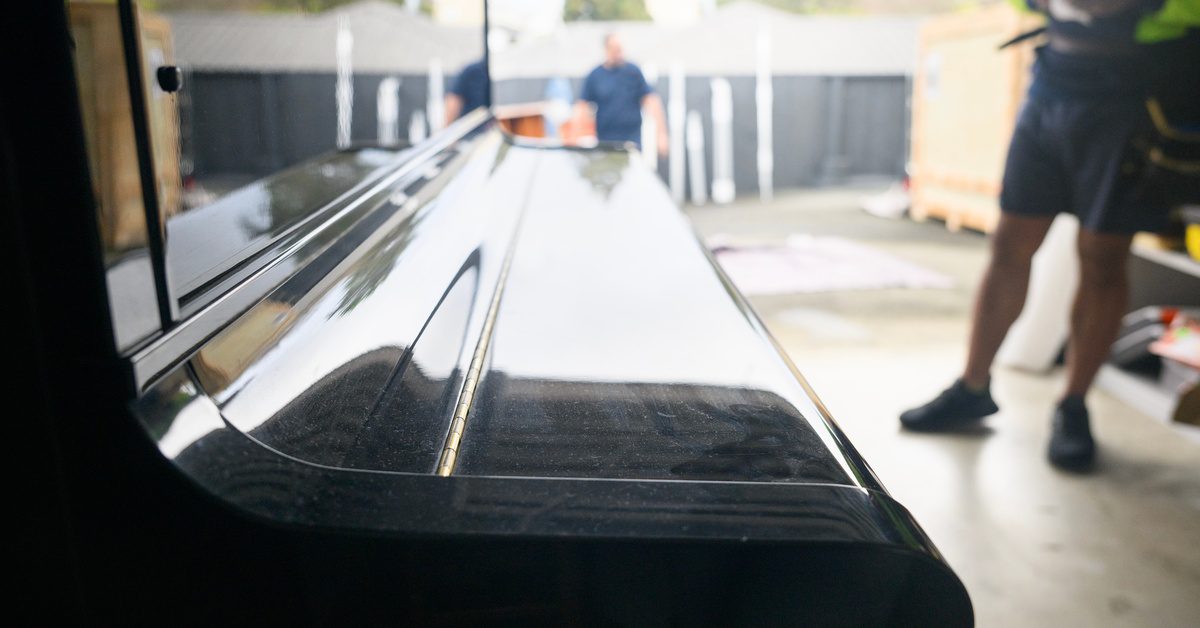

Storing a piano isn’t as simple as placing it in a spare room or standard unit. Climate-controlled storage plays a critical role in preserving both the sound and structure of your instrument. If you’re planning for long-term storage, understanding why it matters can help you avoid costly damage.
How Temperature and Humidity Affect Pianos
Pianos are highly sensitive instruments made from wood, felt, and metal components that react to environmental changes. When exposed to fluctuating temperatures or humidity, these materials expand and contract, which can lead to long-term issues.
Even subtle shifts can affect tuning stability and internal alignment. Over time, that stress may cause warping or cracking, and it can loosen internal joints. Repairs can be costly, and in some cases, the instrument’s sound quality may never fully recover.
Humidity deserves close attention. Excess moisture can swell wooden components and encourage mold growth. Dry conditions, on the other hand, can cause shrinking and cracking. A stable environment helps maintain the balance your piano was built to hold.
Why Professional Storage Offers Better Protection
A climate-controlled environment maintains consistent temperature and humidity levels, which are essential for protecting delicate instruments. Standard storage spaces, such as garages or non-regulated units, rarely provide this level of stability.
Professional warehouse storage services are designed to protect valuable items that require special handling. These facilities often include:
- Regulated temperature settings that reduce expansion and contraction.
- Controlled humidity levels that help prevent mold and warping.
- Clean, enclosed spaces that limit dust and debris.
- Secure environments that have monitored and restricted access.
Beyond environmental control, experienced teams understand how to handle and position pianos correctly. That added expertise helps reduce the risk of internal damage during both storage and transport.
What To Consider Before Storing Your Piano
Before placing your piano into storage, careful preparation makes a noticeable difference. Proper steps taken in advance work alongside climate control to protect your investment.
Here are key steps to follow:
- Clean the piano thoroughly to remove dust and buildup.
- Close and secure the lid and keyboard cover.
- Wrap the piano using breathable materials rather than plastic.
- Coordinate handling with experienced movers who understand delicate instruments.
These steps help prevent surface damage and keep the instrument stable while in storage. When paired with a controlled environment, they provide a more complete level of protection.
How Proper Storage Preserves Long-Term Performance
Climate-controlled piano storage is more than a convenience—it’s a practical way to preserve your instrument over time. When conditions remain stable and handling is done properly, you reduce the likelihood of damage that can affect both structure and sound. Taking these precautions helps ensure your piano is ready to perform when you need it again.
If you want confidence in how your piano is stored, work with a team that understands the level of care required. Capitol North American has been a trusted, family-owned moving and storage provider since 1962, offering secure solutions for high-value items. Contact our team today to request a quote and ensure your piano receives the attention it deserves.